

Chevrolet Transmission Fluid Exchange vs Flush
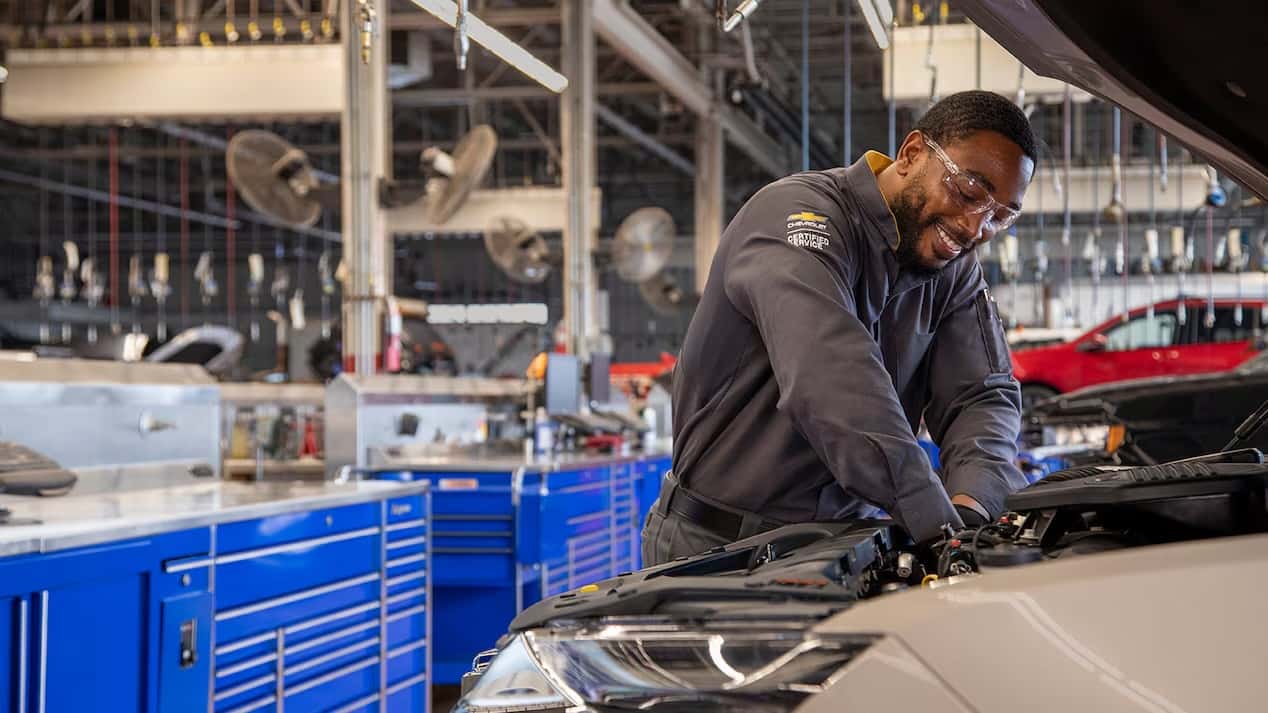
If your Silverado, Equinox, or Traverse is due for transmission service, you’ve probably run into two different terms and wondered which one actually applies to you. Picking the wrong service can waste your money, or put stress on a transmission that wasn’t ready for it. Below is a breakdown of what a Chevrolet transmission fluid exchange vs flush service actually does, what GM recommends for specific Chevy transmissions, and how our team at Don Mealey Chevrolet figures out the right call for your vehicle. If you’d rather skip ahead, you can schedule a service appointment with us anytime.
Fluid Exchange vs. Flush: What’s the Real Difference?
The difference between a transmission flush and a fluid change comes down to how much old fluid leaves the system and how it gets removed. Both aim to replace tired, degraded ATF with fresh fluid, but they use different equipment and reach different corners of the transmission.
What a Transmission Fluid Exchange Involves
A standard Chevy transmission fluid exchange starts by draining fluid through the drain plug using gravity. Our technicians also replace the filter and oil pan gasket during this process. A basic drain and fill this way typically replaces around 70% of the old fluid, since some always stays trapped in the torque converter and cooler lines.
Using a fluid-exchange machine that pumps new fluid in while pulling old fluid out, we can push that number up to 90-95%. That makes the dealer transmission exchange noticeably more thorough than a simple drain and fill, without sacrificing the controlled, lower-risk nature of the service.
What a Full Transmission Flush Involves
A Chevrolet transmission flush connects a machine directly to the transmission’s cooling lines, cycling fluid through the entire system, including inside the torque converter, until nearly all of the old fluid is displaced. This gets closer to 100% fluid replacement, which sounds great on paper. A flush is more aggressive by design, and that’s precisely why we don’t hand it out as the default answer for every Chevy that rolls into our service bay.
| Service Detail | Fluid Exchange | Flush |
|---|---|---|
| Process | Gravity drain via drain plug; filter and pan gasket replaced | Machine connects to cooling lines; cycles fluid through torque converter |
| Equipment Used | Drain plug, or fluid-exchange machine for higher volume | Dedicated flush machine |
| Fluid Replaced | About 70% (drain and fill) or about 90-95% (machine-assisted) | Nearly 100% |
| Thoroughness | Moderate to high, controlled process | Highest, but more aggressive |
| Risk Level | Lower, gentler on aging components | Higher on high-mileage or never-flushed transmissions |
| Best For | Regular maintenance, higher-mileage or unknown-history vehicles | Younger transmissions with a clean maintenance history |
Costs for either service typically range depending on your vehicle and its condition; our advisors can give you an accurate quote once they’ve inspected your transmission.
Why Transmission Fluid Matters for Your Chevy’s Performance
ATF isn’t just a lubricant. It carries hydraulic pressure that engages internal clutches and bands, gives gears the friction they need to shift smoothly, and pulls heat away from moving parts. When the fluid breaks down from age or heat, it loses that hydraulic sharpness, runs hotter, and lets internal components wear against each other. A fluid problem left alone eventually turns into a mechanical one. Keeping fresh, correctly specified fluid in the system is one of the simplest ways to protect a transmission that’s otherwise expensive to repair or replace.
What Determines Which Service Your Chevy Needs
There’s no universal answer to whether you should get a transmission flush or a change. The right service depends on your specific Chevy, how it’s been driven, and what condition the fluid is actually in when we check it.
Model and Transmission Type
GM specifies different fluids depending on the transmission code, and using the wrong one can cause internal damage. All 10-speed RWD transmissions, including the 10L80 and 10L90 found in Silverado and Trail Boss trucks, require DEXRON ULV exclusively. The Equinox’s 8T45 calls for DEXRON VI, while the 8L80 and 8L90 use DEXRON HP and are found in the Chevrolet Express and GMC Savana vans (and some base light-duty 1500 trucks). Today’s Tahoe and Suburban use the 10-speed 10L80 with DEXRON ULV, and current Silverado HD trucks use the 10-speed 10L1000, also on DEXRON ULV.
If you’re driving a Corvette C8, its dual-clutch transmission needs ACDelco DCT FFL-4, a fluid built specifically for that unit. For older or general-duty automatics across the Chevy lineup, GM specifies ACDelco Gold ATF III. Getting this right matters just as much as which service method you choose.
Mileage and Vehicle Condition
Service intervals vary by model and duty cycle, so we always recommend confirming specifics with your owner’s manual or our service team rather than relying on one blanket number. As general guidance, GM lists severe-duty fluid changes for 10-speed units like those in the Trail Boss and Silverado at roughly every 45,000 miles, with no normal-duty interval listed until 150,000 miles. Manual transmissions generally call for service every 30,000 to 50,000 miles, while automatics commonly land somewhere between 30,000 and 60,000 miles, with some newer systems stretching to 100,000 miles under ideal conditions.
Driving Habits: Towing, Commuting, and Florida Heat
If you tow regularly or spend a lot of time in stop-and-go traffic, cut those intervals roughly in half. For heavy towing or frequent city driving, we typically recommend closer to every 15,000 to 20,000 miles. Central Florida adds its own wrinkle here. ATF chemical stability starts breaking down above 220°F, and every 20-degree increase past 200°F cuts fluid life nearly in half.
Florida’s ambient heat already pushes resting fluid temperatures higher than in cooler climates, and towing a boat to the lake or crawling through Orlando-area traffic piles on even more heat. A Clermont commuter with an otherwise normal driving pattern can genuinely fall into a “severe” service classification simply because of our climate.
Signs Your Chevrolet May Need Transmission Service
Certain warning signs mean it’s time to get your transmission looked at rather than waiting for the next scheduled interval:
-
Slipping gears or a delay before the transmission engages
-
Rough, jerky, or hesitant shifting between gears
-
Unusual noises, such as whining, clunking, or grinding during shifts
-
A burning smell coming from under the hood
-
Visible fluid leaks underneath the vehicle
-
Transmission or check engine warning lights on the dashboard
-
Fluid that looks dark, cloudy, or feels gritty rather than clean and reddish
Catching any of these early gives us more options and usually keeps repair costs lower.
Why a Technician Inspection Comes Before Any Service Decision
We don’t recommend a flush or an exchange based on mileage alone. Our Chevrolet-trained technicians start with a test drive to feel how the transmission is actually shifting, then check for external leaks and other visible issues. From there, they evaluate the fluid itself, its color, smell, and consistency, since degraded fluid tells us more about what’s happening inside than the odometer ever could. This is typically part of a broader multi-point inspection that also catches wear items unrelated to the transmission, giving you a fuller picture of your vehicle’s condition.
You can learn more about what that process covers through our certified service center. The flush-versus-exchange decision comes down to what our advisor sees during that inspection, not a generic rule applied to every vehicle that comes through the door.
Risks of Choosing the Wrong Service for Your Transmission
For a healthy, well-maintained transmission, fresh fluid on its own doesn’t cause damage. High-mileage transmissions that have never been flushed are a different story; sludge and worn seals tend to build up over time. Forcing that fluid out with a flush can dislodge debris that had settled into corners of the system, and that debris can clog the valve body or damage internal components it passes through along the way. In those cases, a gentler fluid exchange is often the safer route, even though it replaces less fluid overall.
Going too light on service carries its own cost, too. Performing a basic exchange when a vehicle’s fluid condition really calls for a full flush leaves too much degraded fluid behind, which limits how much benefit the service actually provides. Introducing clean, full-strength fluid into a transmission with already-worn clutches can sometimes reveal slipping that the degraded fluid had been masking. Matching the service to the vehicle’s actual condition, not just its mileage, protects both your transmission and your budget. If you’re not sure of your Chevy’s full maintenance history, that’s exactly the kind of question our inspection is built to answer.
Trust Don Mealey Chevrolet for Expert Transmission Care in Clermont
Our technicians are Chevrolet-trained and follow GM-specified fluid types and procedures for every transmission code, including the 6T70 in a Malibu and the 10L80 in a Tahoe. We inspect before we recommend, so you’re never paying for a flush your transmission doesn’t need, or getting an exchange that falls short of what it does need. Transmission service costs typically range depending on the vehicle and service required; contact our service team for an accurate quote based on your specific Chevy.
Schedule Your Transmission Inspection Today
Don’t guess at whether your Chevy needs a flush or an exchange. Bring it to our Clermont service center at 17185 State Road 50, Clermont, FL 34711, and let our team evaluate the fluid, check for warning signs, and recommend the right service for your model and driving habits.
Schedule a service appointment today and get back on the road knowing your transmission’s been handled right.
Frequently Asked Questions About Chevrolet Transmission Service
What is the difference between a transmission fluid exchange and a flush?
A fluid exchange uses a controlled drain-and-fill process or exchange machine to replace most of the old fluid. A flush connects to the cooling lines and cycles fluid through the entire system, replacing nearly all of it through a more aggressive process.
Is a transmission flush safe for a high-mileage Chevrolet?
A flush may not be the safest option for a high-mileage transmission with an unknown or inconsistent service history. A technician may recommend a gentler fluid exchange to reduce the risk of dislodging accumulated debris.
How often should Chevrolet transmission fluid be changed?
The correct interval depends on the model, transmission, and driving conditions. Towing, heavy traffic, and Central Florida heat may place a vehicle under a severe-duty schedule that requires more frequent transmission service.
Can I use the same transmission fluid in every Chevrolet?
No. Chevrolet transmissions require different fluids based on their design and transmission code. Examples include DEXRON ULV, DEXRON VI, DEXRON HP, and ACDelco DCT FFL-4. Using the wrong specification can damage internal components.

0 comment(s) so far on Chevrolet Transmission Fluid Exchange vs Flush